Optimize Your Website for ChatGPT, Gemini & Perplexity – Complete AI SEO (GEO) Guide 2026
In 2026, the landscape of search optimization is evolving rapidly, driven heavily by AI technologies like ChatGPT, Gemini, and Perplexity. According to a study, 88% of students turn to AI for assistance (Source: Livemint). This statistic underscores the profound role AI is playing in shaping user behavior online. As a digital marketer or SEO specialist, understanding Generative Engine Optimization (GEO) is crucial to staying competitive.
What is Generative Engine Optimization (GEO) and Why Does It Matter in 2026?
Generative Engine Optimization (GEO) is the practice of optimizing content to appear in AI-generated responses from platforms like ChatGPT, Gemini, and Perplexity. Unlike traditional SEO, GEO focuses on ensuring that your content is easily digestible and indexable by AI models. Why does this matter? Because AI-generated content is becoming a primary source of information for users, often bypassing traditional search engines (Source: mmc.vc).
To optimize for GEO, consider these strategies:
Ensure your content is structured for AI readability.
- Implement schema markup for better data understanding.
- Utilize AI-friendly keywords and phrases.
Ignoring GEO can mean missing out on being featured in AI-driven summaries, which directly impacts visibility and traffic.
How ChatGPT, Gemini, and Perplexity Work Differently from Google?
Unlike Google, which relies heavily on backlinks and traditional SEO signals, ChatGPT, Gemini, and Perplexity focus on understanding and generating human-like responses. These platforms prioritize content that is contextually relevant and semantically accurate. This means that having a well-structured, contextually rich, and semantically clear website is more important than ever.
For instance, while Google might prioritize a page based on keyword density, ChatGPT might prioritize based on the contextual relevance and user engagement with the content. This shift requires a new approach to SEO:
- Focus on context over keywords.
- Enhance user interaction signals.
- Optimize for semantic search.
Core GEO Strategies to Make Your Website AI-Friendly
To make your website AI-friendly, start with these core strategies:
1. Semantic Optimization: Use tools like SurferSEO to analyze and improve your content's semantic structure. This ensures AI engines understand the context of your content.
2. Content Clarity: Platforms like Hemingway App can help you simplify your language, making it easier for AI to parse and interpret.
3. Structured Data: Implement schema markup using Google’s Structured Data Markup Helper. This helps AI models like Gemini and Perplexity to better understand your content.
4. Engagement Metrics: Boost user engagement through interactive content, which AI engines value highly. Consider using platforms like Outgrow to create quizzes and polls.
By adopting these strategies, you align your content with what AI-driven engines prioritize, leading to improved visibility and engagement.
Technical Optimizations Every Website Needs for AI Search
Technical SEO remains foundational but requires adaptation for AI search engines. Consider these technical optimizations:
1. Fast Load Times: Use Google’s PageSpeed Insights to ensure your website loads quickly. AI models favor fast-loading sites as they enhance user experience.
2. Mobile Optimization: With AI engines prioritizing mobile-first indexing, tools like Mobile-Friendly Test can ensure your site is optimized for mobile devices.
3. Security Protocols: Ensure your site uses HTTPS. AI engines, like Perplexity, give preference to secure sites.
4. Crawlability: Use Screaming Frog to audit your site’s crawlability and indexability. AI models need to access and understand your site’s content easily.
These technical enhancements ensure that AI engines can efficiently access and interpret your site, boosting your GEO success.
Content Structure & Writing Techniques That AI Engines Love
Content structure plays a pivotal role in how AI engines interpret and rank your pages. Here’s how to structure your content effectively:
1. Header Hierarchy: Use clear, hierarchical headers (H1, H2, H3) to guide AI engines through your content.
2. Concise Paragraphs: Keep paragraphs under 120 words for optimal AI comprehension.
3. Visual Data: Incorporate charts and infographics using tools like Canva to provide visual context.
4. Internal Linking: Use internal links to connect relevant content, aiding AI in understanding content relationships.
By applying these techniques, your content becomes more accessible and engaging for AI models, increasing your chances of being featured.
Step-by-Step Guide: How to Optimize Your Existing Website for GEO
Optimizing an existing website for GEO involves a systematic approach:
1. Content Audit: Use tools like SEMrush to audit your content for AI relevancy and semantic gaps.
2. Keyword Refresh: Refresh your keywords based on AI search trends identified through tools like Ahrefs.
3. Schema Implementation: Add updated schema markups using Yoast SEO to enhance data understanding.
4. User Experience: Improve site UX with A/B testing platforms like Optimizely.
By following these steps, you adapt your site to align with AI-driven search preferences, enhancing your GEO performance.
Advanced GEO Tactics for Better Citations & Visibility
To gain better citations and enhance visibility in AI searches, consider these advanced tactics:
1. Authoritative Backlinks: Secure backlinks from recognized sites using outreach tools like BuzzStream.
2. Content Syndication: Use platforms like Taboola to syndicate your content, expanding reach and citation opportunities.
3. AI Partnerships: Collaborate with AI content providers, enhancing mutual visibility and citation frequency.
These tactics ensure that your content not only appears in AI-generated responses but is also frequently cited, boosting authority and traffic.
Common Mistakes to Avoid When Optimizing for AI Search
When optimizing for AI search, avoid these common pitfalls:
1. Keyword Stuffing: Overloading content with keywords can confuse AI models and reduce relevancy scores.
2. Ignoring Mobile Users: Failing to optimize for mobile can lead to lower rankings on mobile-first AI indexes.
3. Poor Content Quality: Ensure high-quality, relevant content. AI models like ChatGPT prioritize content quality over quantity.
By steering clear of these mistakes, you enhance your site's GEO performance and maintain a strong presence in AI-driven search results.
How to Measure Your Success in AI Search Engines?
Measuring success in AI-driven search engines requires new metrics:
1. AI Visibility Score: Platforms like BrightEdge offer insights into how often your content appears in AI responses.
2. Engagement Metrics: Use Google Analytics to track user interactions and engagement levels.
3. Citation Frequency: Monitor citation frequency using tools like Mention or BuzzSumo.
These metrics provide a comprehensive view of your performance, allowing for data-driven improvements in your GEO strategy.
How GEO SEO Lab Can Help You Audit & Optimize Faster?
The GEO SEO Lab specializes in providing tools and expertise to audit and optimize websites for AI search engines. Here's how they can assist:
1. Comprehensive Audits: They offer detailed SEO audits focused on AI readiness.
2. Customized Strategies: Develop tailored optimization strategies to enhance AI search visibility.
3. Continuous Monitoring: Provide ongoing performance tracking and adjustments to maintain competitive edge.
Collaborating with GEO SEO Lab accelerates your optimization efforts, ensuring your site remains at the forefront of AI search trends.
Key Takeaways for Optimizing Your Website for AI in 2026
Optimizing your website for AI search engines like ChatGPT, Gemini, and Perplexity involves a strategic blend of technical and content-based enhancements. By focusing on semantic optimization, technical SEO, and advanced GEO tactics, you position your site for greater visibility and engagement in AI-driven searches. Avoid common pitfalls and measure success with AI-specific metrics to ensure long-term growth and relevance.
⚡ Ready to Future-Proof Your Website?
Start optimizing for ChatGPT, Gemini, and Perplexity with Geo SEO Lab — the first AI SEO (GEO) platform built for the generative search era.
👉 Get Started with Geo SEO Lab and make sure your brand is part of the AI conversation.
Tags
Frequently Asked Questions
Find answers to common questions about this topic
About the Author

Pamit Kumar Singh
SEO Expert & Content Creator
Experienced digital marketing professional specializing in SEO strategies, content optimization, and data-driven marketing solutions. Passionate about helping businesses grow their online presence and achieve better search rankings.
Related Articles
View all posts
Google's AI Content Guidance: What Website Owners Need to Change Right Now
Google's AI Content Guidance: What Website Owners Need to Change Right NowPublication: GEO SEO LabCategory: SEO Strategy / Content Governance / Google...
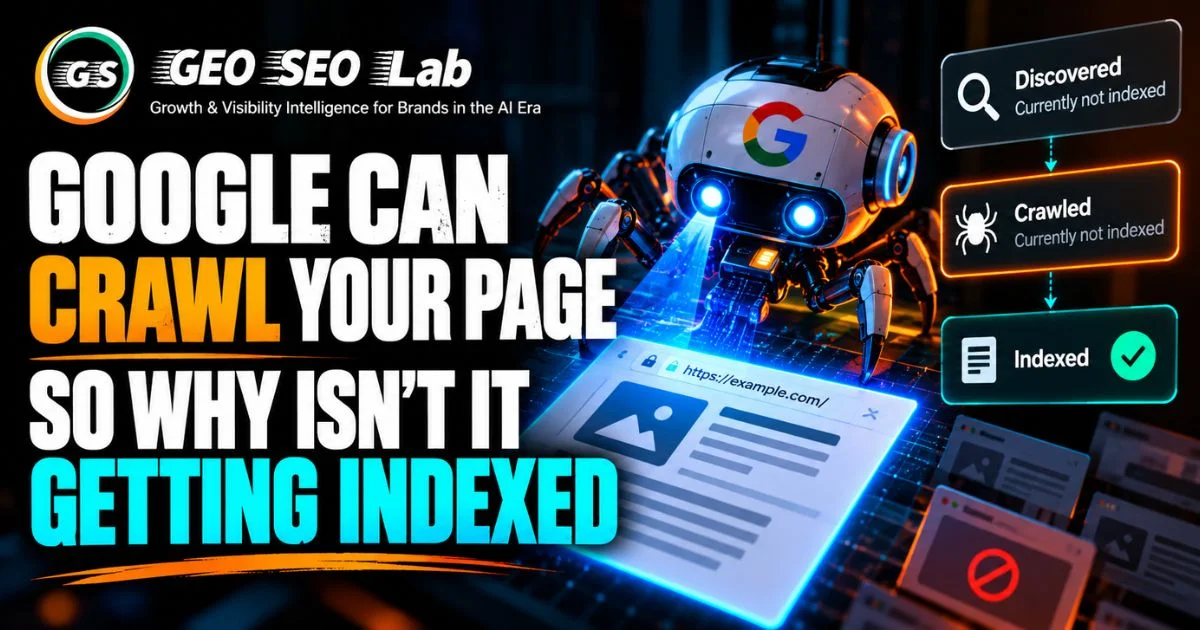
Google Can Crawl Your Page: So Why Isn't It Getting Indexed?
Google Can Crawl Your Page: So Why Isn't It Getting Indexed?Imagine pouring weeks of painstaking effort into a comprehensive, deeply researched articl...
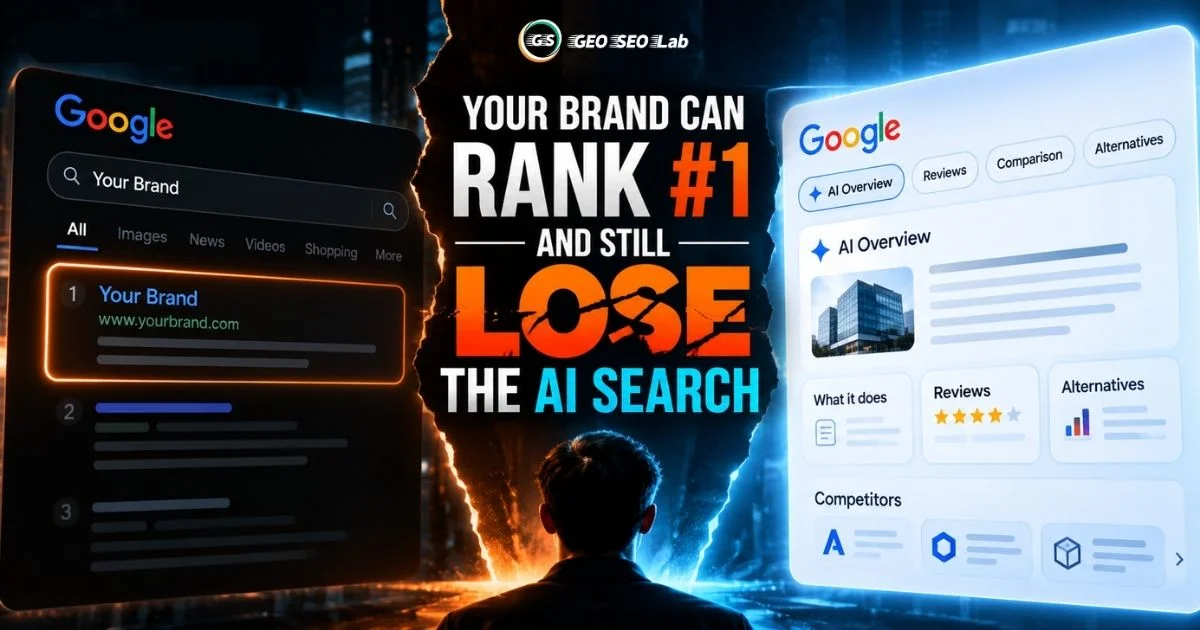
Your Brand Can Rank #1 and Still Lose the AI Search
Your Brand Can Rank #1 and Still Lose the AI SearchGoogle AI Overviews Are Changing Brand Search, and What It Means for SEOEditorial DisclosureThis ar...